

The AI Advantage: 7 Tools Powering the Fastest-Growing Startups in 2026
In 2026, running a business with limited resources has never been more challenging. Small teams juggle marketing, leads, content creation, sales, and customer support all while racing against time and rising competition. This is where AI tools for startups become game-changing. These tools reduce manual work, automate daily tasks, accelerate creativity, and provide instant data-driven insights that guide better decisions. From research and analytics to content, design, and video. AI isn’t just a “helpful tool” anymore. It’s the foundation of modern execution. In this article, you’ll explore the most effective startup AI tools that can 10x your decision-making speed, creativity, and competitiveness.




Introduction
In 2026, startups are scaling faster than ever by leveraging the right AI tools for startups. From building products to marketing, analytics, and content creation, AI is helping founders move quicker with fewer resources. Instead of hiring large teams early, startups are now using best AI tools for founders and entrepreneurs to automate workflows, generate insights, and execute faster.
The most successful startups today are not just using AI, they are building their entire workflow around it. Whether you're launching a new product or scaling an existing one, choosing the right AI tools for building and growing a startup in 2026 can significantly impact your speed, efficiency, and growth.
Top AI Tools That Help a Startup
1. Perplexity AI: A powerful AI search and research tool that helps startups quickly gather accurate information, validate ideas, and make faster decisions without manual research.
2. Supaboard: An AI-powered analytics platform that turns raw data into insights, helping startups track metrics, understand growth signals, and make smarter business decisions in real time.
3. Jasper AI: A leading AI writing assistant for startups, widely used for marketing content, ad copy, blogs, and brand messaging—helping teams scale content creation efficiently.
4. Grammarly: An essential AI tool for founders and teams to improve writing clarity, tone, and professionalism across emails, documents, and communication.
5. Canva: An AI-powered design platform that enables startups to create high-quality visuals, presentations, and marketing assets without needing a full design team.
6. ChatGPT: One of the most versatile AI tools for entrepreneurs, used for ideation, coding help, customer support automation, and content generation across multiple business functions.
7. InVideo: An AI video creation platform that helps startups produce engaging marketing videos, social media content, and product explainers quickly and cost-effectively.
The Real Reason Modern Startups Are Growing Faster in 2026
The fastest-growing startups today have one thing in common—they use AI tools for startups to move faster, stay focused, and do more with smaller teams. Instead of spending hours on research, reporting, writing, design, or editing, founders now rely on AI to automate repetitive tasks and make smarter decisions quickly.
Each category of AI tools adds a different advantage. Research tools provide instant answers and insights. Analytics platforms turn complex data into simple, actionable information. AI writing tools help teams create content, plan strategies, and communicate faster. Writing assistants ensure clarity and professionalism, while design tools make it easy to create high-quality visuals without a dedicated team. Video tools further accelerate content creation by turning ideas into engaging visuals in minutes.
Together, these best AI tools for entrepreneurs and startups in 2026 allow small teams to operate like large organizations. They enable faster execution, data-driven decisions, reduced manual work, and a stronger focus on growth—making AI a core driver of startup success.
7 Must-Have AI Tools for Fast-Growing Startups
1. Perplexity AI

Perplexity AI is a research-focused assistant that delivers accurate, sourced information, helping founders explore ideas, understand markets, and answer complex questions instantly, making startup research faster, smarter, and more reliable. It combines real-time web data with AI summarization, allowing users to quickly validate assumptions and uncover insights without digging through multiple sources.
Is Perplexity AI Good?
Yes, Perplexity AI is excellent for quick, reliable research, providing real-time insights, credible sources, and structured explanations. It is especially useful for early-stage startups that need speed, clarity, and confidence while making strategic decisions in fast-moving markets.
Recommended For
Best for founders, marketers, strategists, and analysts who need fast, accurate research to support planning, decision-making, and idea validation.
Best Use Case
Perfect for market research, trend validation, competitor analysis, customer insights, and rapid strategic decision-making where speed and accuracy are critical.
2. Supaboard
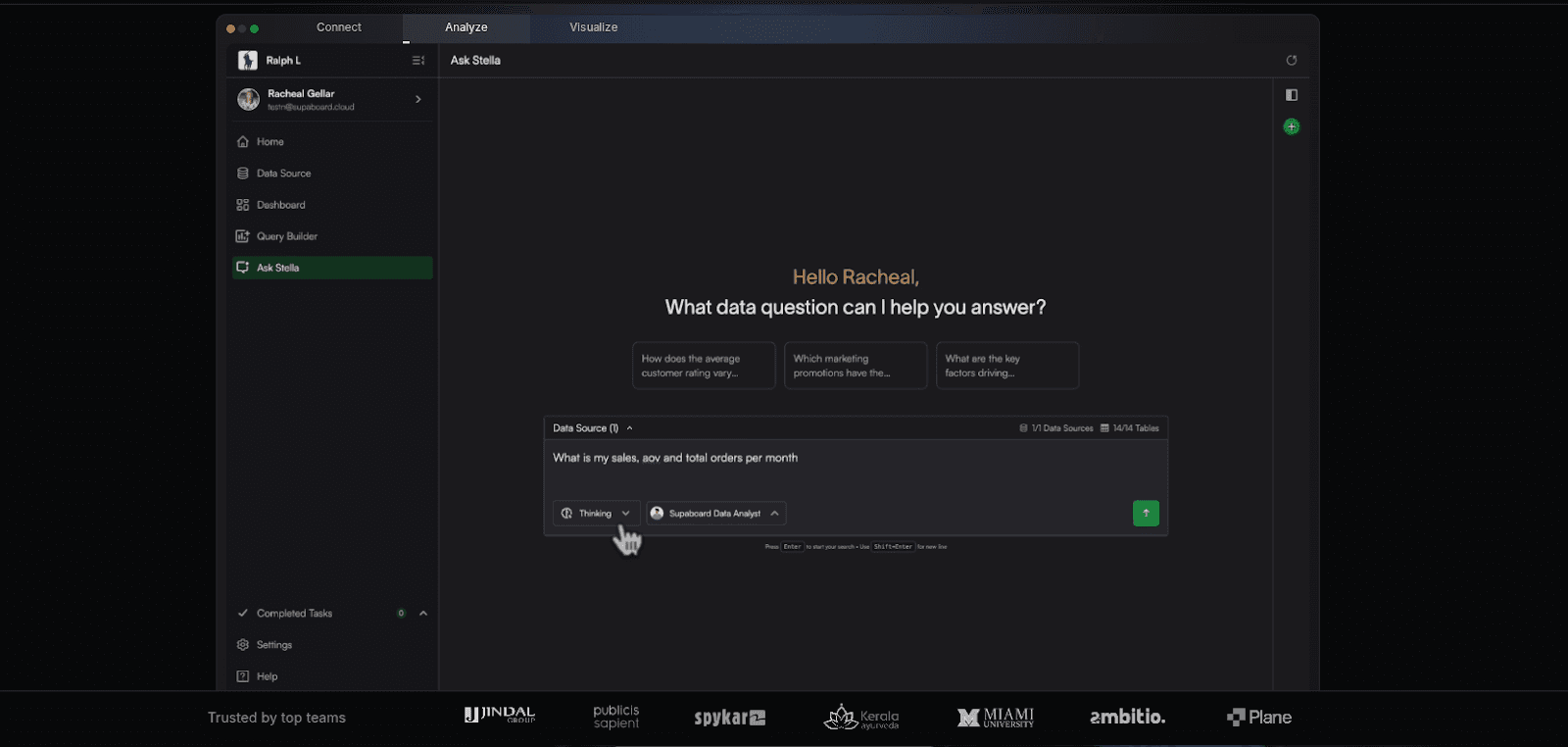
Supaboard connects all your data, explains insights in simple language, and builds dashboards automatically, making analytics accessible to everyone. With its Ask AI capability, teams can query data in plain English and get instant, actionable answers without writing SQL or relying on analysts. It helps startups unify scattered data sources, improve clarity, and align teams around the same metrics.
By removing complexity, Supaboard enables faster execution across product, growth, finance, and operations teams. Trusted by fast-growing SaaS, EdTech, and D2C startups, it often replaces 4–5 traditional analytics tools, reducing cost and improving efficiency.
Is Supaboard Good?
Yes, Supaboard is a powerful AI-driven analytics platform, offering instant insights, automated dashboards, and natural-language querying—perfect for non-technical teams who want fast, reliable answers from their data.
Recommended For
Ideal for product, finance, growth, and operations teams that need clear, real-time analytics without hiring dedicated data specialists or building complex data pipelines.
Best Use Case
Best suited for KPI tracking, automated reporting, performance monitoring, dashboard creation, and enabling faster, data-driven decision-making across teams.
3. Jasper AI
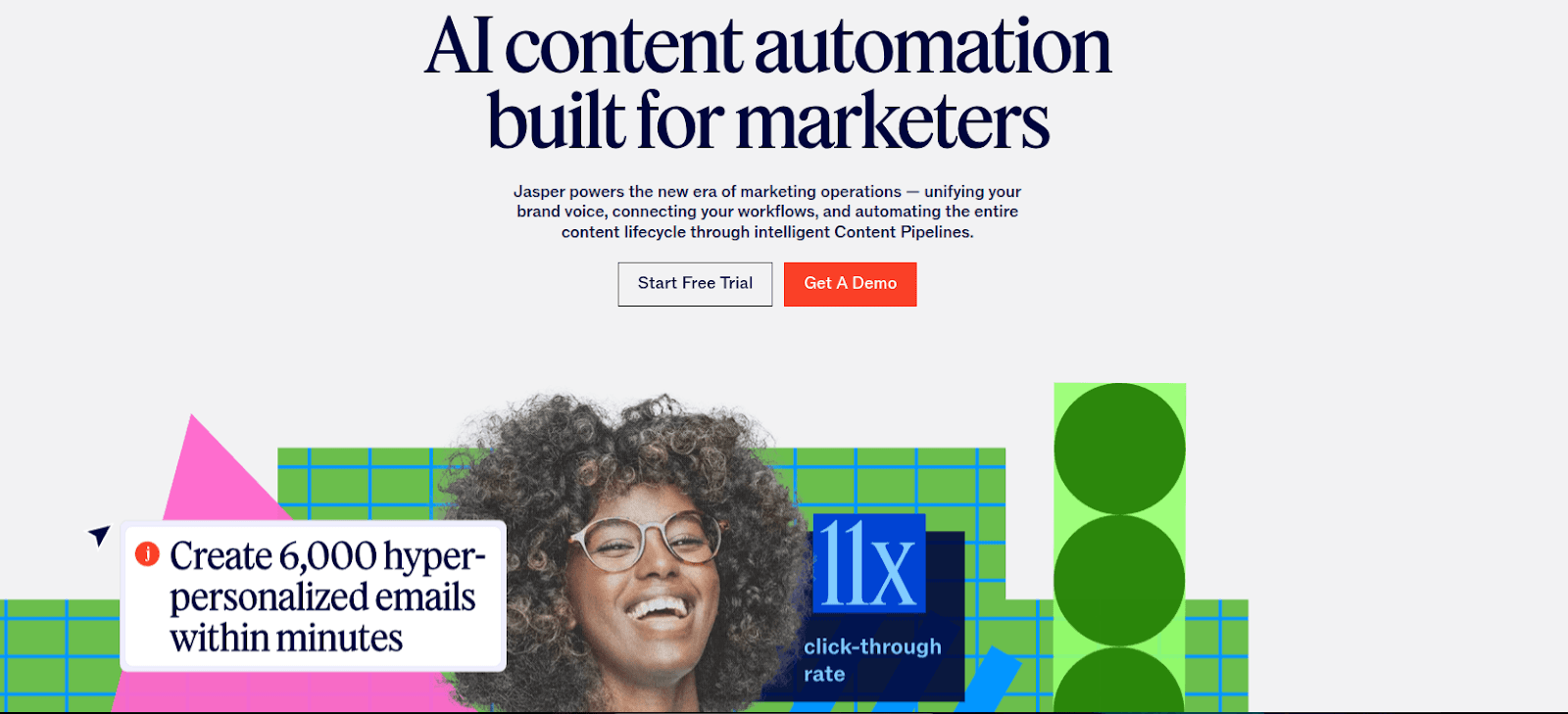
Jasper AI helps startups create high-quality content quickly using customizable brand voices, built-in SEO tools, templates, and automated workflows. It enables teams to maintain consistency across blogs, ads, emails, and social media without spending hours writing manually. By streamlining content creation, Jasper allows marketing teams to scale output while keeping messaging aligned with brand tone and goals.
Is Jasper AI Good?
Yes, Jasper is ideal for producing fast, high-quality content while maintaining a consistent brand voice. Its SEO optimization features and templates make it especially useful for handling large-scale marketing workloads efficiently.
Recommended For
Best suited for content writers, founders, marketers, and SaaS teams that need scalable, consistent content creation across multiple channels.
Best Use Case
Perfect for blogs, ad copy, emails, landing pages, product descriptions, and long-form marketing content where speed, quality, and consistency matter.
4. Grammarly
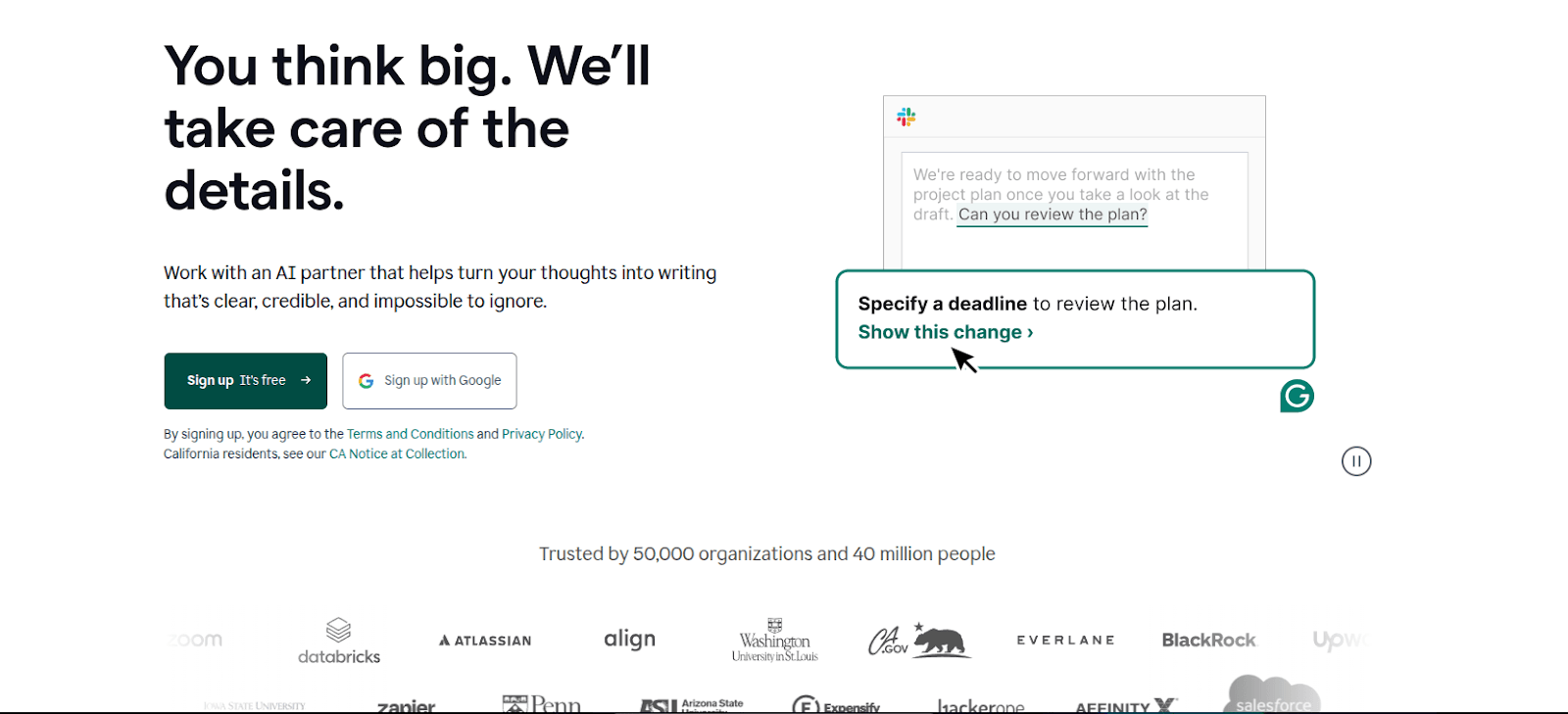
Grammarly ensures your writing is clear, polished, and professional by checking grammar, tone, spelling, readability, and structure in real time. It acts like an AI writing assistant that helps teams communicate confidently across emails, documents, and customer interactions. With tone detection and clarity suggestions, it not only fixes errors but also improves how messages are perceived, making communication more effective and impactful across the organization.
Is Grammarly Good?
Yes, Grammarly is excellent for improving writing quality, fixing errors, enhancing clarity, and ensuring every message feels polished and professional. It’s especially valuable for maintaining a consistent tone across teams.
Recommended For
Perfect for writers, founders, sales teams, support teams, and anyone who relies heavily on clear, professional written communication in daily workflows.
Best Use Case
Best for refining blogs, emails, proposals, documents, onboarding content, and everyday business communication where clarity and tone directly impact outcomes.
Example
A sales rep at a SaaS company used Grammarly to polish his cold outreach emails. His reply rate increased by 22% because his emails became clearer, more confident, and error-free, leading to better engagement and conversions.
5. Canva
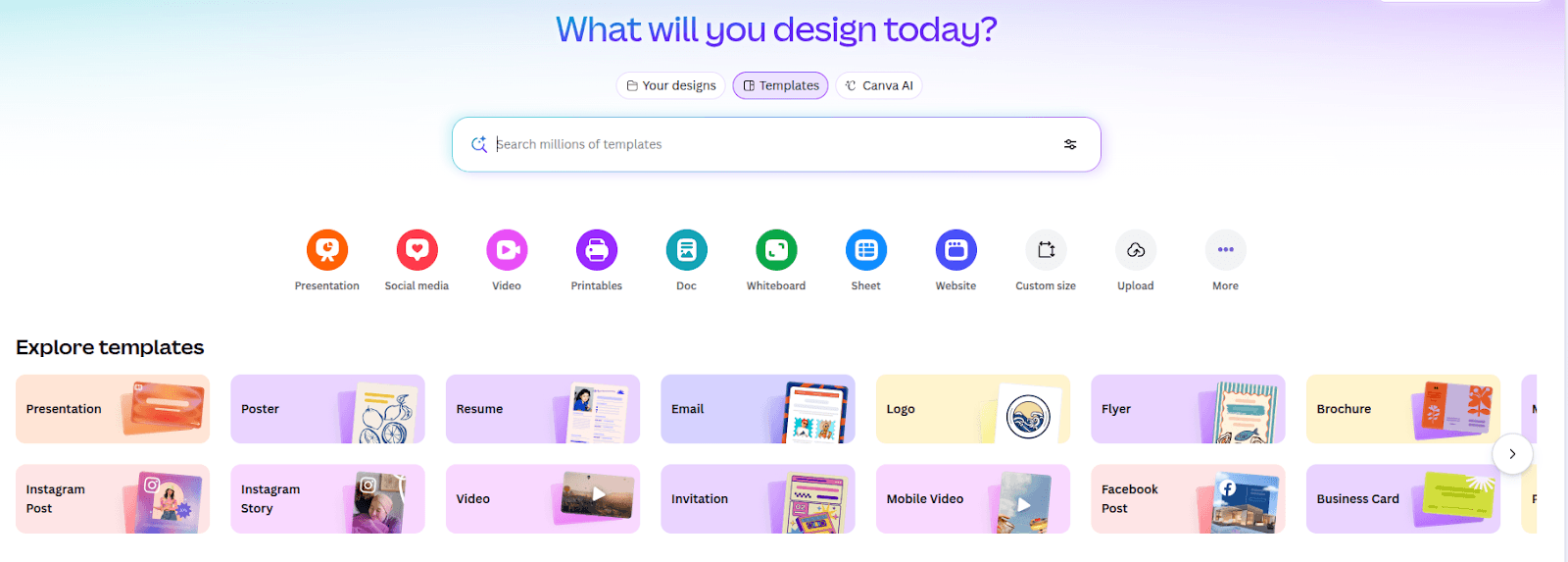
Canva helps startups design stunning visuals easily using ready-made templates, AI-powered tools, brand kits, and simple drag-and-drop features. It enables teams to create professional-quality graphics without needing advanced design skills or dedicated designers. From social media posts to presentations, Canva speeds up design workflows and ensures brand consistency across all marketing channels.
Is Canva Good?
Yes, Canva is a powerful tool for quick and attractive design creation. Its templates, AI features, and collaboration capabilities make it ideal for fast-moving startup teams.
Recommended For
Great for founders, marketers, designers, and social media teams who need to produce high-quality visual content quickly and consistently.
Best Use Case
Perfect for presentations, social media graphics, ads, reels, brand kits, and marketing visuals across multiple platforms where speed and visual quality matter.
6. ChatGPT

ChatGPT is a versatile AI assistant that helps startups brainstorm ideas, write content, automate workflows, improve communication, generate solutions, and support customers, making it invaluable for daily productivity and execution.The must-have tool every startup uses daily.
Is ChatGPT Good?
Yes, ChatGPT is excellent for ideation, writing, planning, automation, and problem-solving, supporting nearly every startup function efficiently.
Recommended For
Best for founders, creators, marketers, developers, and support teams needing fast assistance and automation.
Best Use Case
Ideal for drafting content, planning strategies, automating tasks, brainstorming, and answering customer queries.
7. InVideo
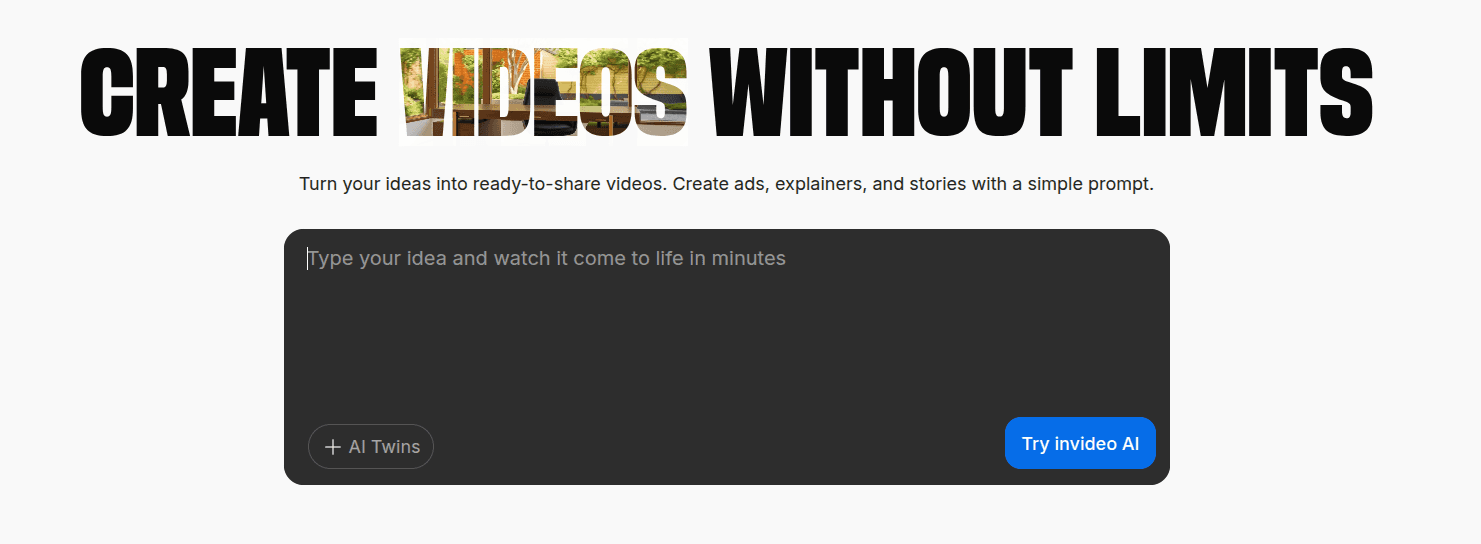
InVideo is an AI video creation platform that converts scripts, prompts, and ideas into polished videos using templates, automated editing, and voiceovers, helping startups create professional content quickly and affordably.
Is InVideo Good?
Yes, InVideo is great because it automates editing, offers smart templates, and produces videos quickly, saving startups significant time.
Recommended For
Ideal for startups focused on social media growth, video marketing, and building automated video funnels.
Best Use Case
Perfect for reels, product demos, ads, tutorials, explainers, and short-form marketing videos.
Frequently Asked Questions: FAQs
1. What are the best AI tools for startups in 2026?
The best AI tools for startups in 2026 vary by use case, including content creation, automation, analytics, and customer support. Popular options include ChatGPT, Jasper, Notion AI, Zapier AI, and analytics platforms like Supaboard. Startups typically combine multiple tools to streamline operations and improve efficiency across different business functions.
2. How do startups use AI tools?
Startups use AI tools to automate repetitive tasks, generate content, analyze data, and improve customer interactions. These tools help reduce manual workload, speed up execution, and allow teams to focus on strategy and growth. AI is commonly applied in marketing, operations, analytics, and product development workflows.
3. Can AI help startups grow faster?
Yes, AI helps startups grow faster by improving productivity, enabling faster decision-making, and reducing reliance on large teams. By automating processes and providing data-driven insights, AI allows startups to execute quickly, test ideas faster, and scale operations more efficiently without significantly increasing costs.
4. Are AI tools expensive for startups?
AI tools are not necessarily expensive for startups. Many platforms offer free tiers, usage-based pricing, or startup-friendly plans. Founders can begin with essential tools for content, automation, and analytics at low cost, and gradually scale their usage as the business grows and needs become more advanced.
5. Which AI tools are useful for daily startup operations?
For daily operations, startups use AI tools for content creation, project management, analytics, automation, and customer support. Examples include ChatGPT for writing, Notion AI for planning, Zapier AI for automation, and analytics tools for tracking performance. These tools help teams stay organized and efficient.
6. Do startups need technical skills to use AI tools?
No, most modern AI tools are designed to be user-friendly and require minimal technical skills. Many platforms are no-code or low-code, allowing founders and teams to use them with basic knowledge of workflows and prompting, without needing engineering or data science expertise.
7. How should startups choose AI tools?
Startups should choose AI tools based on their specific needs, such as content, automation, or analytics. Key factors include ease of use, integration with existing systems, pricing, scalability, and measurable impact on productivity. Selecting tools that solve real problems leads to better outcomes than following trends.
Conclusion
The right AI tools for startups can completely transform how teams operate in 2026. From data analytics and research to content creation, design, and video production, these tools help founders move faster, reduce manual work, and scale efficiently. By integrating the best AI tools into daily workflows, startups can improve productivity, make better decisions, and stay competitive in a rapidly evolving market.
Adopting AI-powered tools for startups is no longer optional, it’s a key driver of growth and efficiency. Teams that leverage AI effectively can act on insights faster, streamline operations, and focus on high-impact work instead of repetitive tasks.
Want to make faster, smarter decisions? Try Supaboard and turn your data into instant insights, no SQL or technical expertise required.