

Will Data Analysts Be Replaced by AI? The Truth Behind the Fear
AI is growing rapidly, and with that fast growth comes a question many people keep asking: Will data analysts be replaced by AI? The short answer is no. AI will automate many repetitive tasks, but it cannot replace analysts who think critically, understand business context, and turn data into decisions. Analysts who depend only on basic, automatable work are the ones at risk. Strong analysts who adapt and upskill will remain irreplaceable. This guide explains what AI can do, what it cannot do, how the analyst role is evolving, why analysts remain essential, and the skills needed to stay competitive in an AI-driven world.


What AI Still Cannot Do
Imagine the CEO walks into the Monday leadership meeting and asks, “Why did revenue drop last quarter?”
AI can generate dashboards within minutes showing a 12% decline across regions, product categories, and customer types. But the actual explanation behind that drop does not come from AI.
Only a human analyst can connect the dots:
A competitor recently launched a lower-priced bundle that pulled away a big segment of mid-tier customers.
The marketing team shifted budget from performance ads to brand campaigns, reducing short-term conversions.
A major retail partner postponed a planned seasonal promotion, causing a dip in expected sales.
Customer sentiment fell after a product update introduced friction and increased support complaints.
AI can show what happened. The analyst explains why it happened, how it happened, and what the company should do next. That bridge from raw data to real decisions still requires human judgment.
Is AI Replacing Data Analysts?
AI is not replacing data analysts, but it is changing their role. Modern AI tools can automate repetitive tasks like data cleaning, basic reporting, and dashboard creation. This reduces manual work, but it doesn’t remove the need for human analysts.
Data analysts still play a critical role in asking the right questions, validating insights, understanding business context, and translating data into decisions. AI lacks domain intuition, ethical judgment, and strategic thinking.
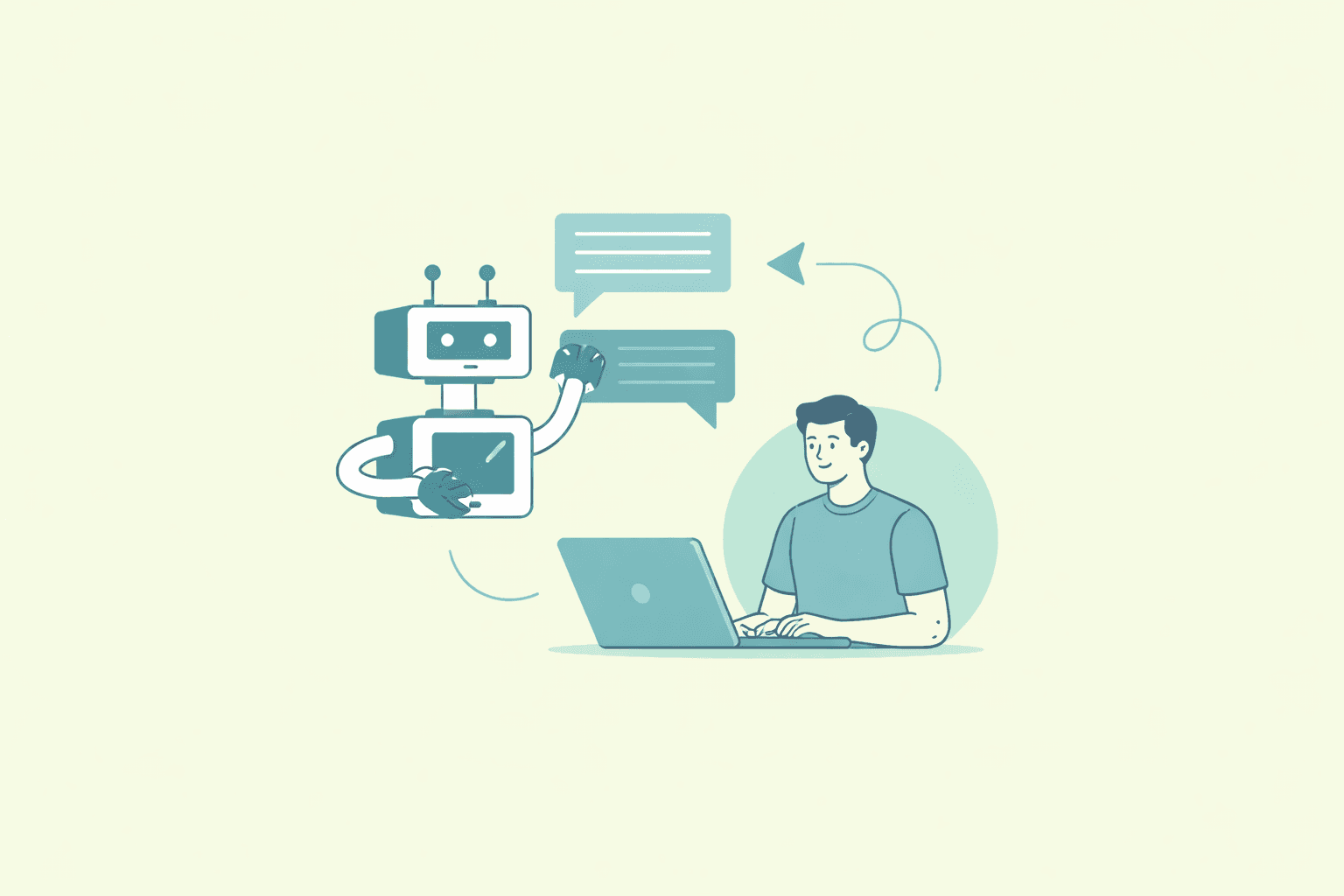
In reality, AI is acting as a force multiplier. Analysts who learn to work with AI, using it for speed while applying human reasoning are becoming more valuable, not less.
Bottom line: AI replaces tasks, not data analysts. not replacing it.
What AI Can Do Today
AI is powerful but still works within limits. Here are the tasks AI handles well:
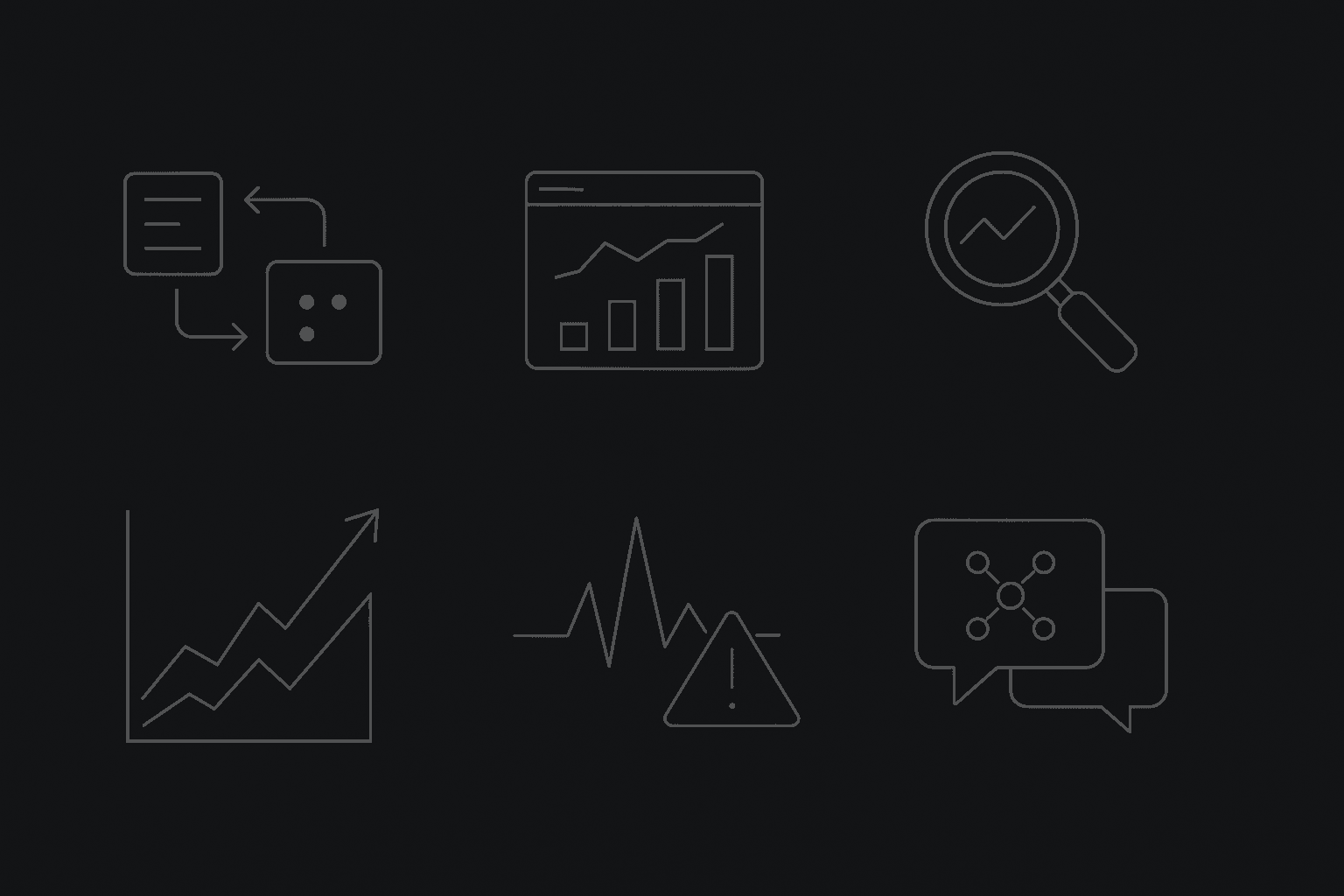
Data cleaning and preprocessing
Automated reporting
Exploratory data analysis
Prediction and forecasting
Anomaly detection
Natural language querying
AI speeds up work, but analysts still validate, interpret, and communicate insights.
AI Tools That Are Changing Data Analysis
What Are AI Tools in Data Analysis?
AI tools in data analysis use machine learning, natural language processing, and automation to help users explore data, generate insights, and build reports faster. Instead of manual queries and complex setups, these tools allow analysts and business users to ask questions in plain language and get instant, data-backed answers.
Why Are AI Tools Changing Data Analysis?
Traditional data analysis is slow, technical, and dependent on specialists. AI removes these bottlenecks by automating data preparation, surfacing trends automatically, and making analytics accessible to non-technical teams. This shift helps organizations make faster, more confident decisions at scale.
How Do AI Tools Change the Way Data Is Analyzed?
AI-powered BI tools like Microsoft Power BI Copilot, Tableau, Supaboard (Stella), and Looker enable natural-language analysis. Platforms such as Google Cloud Vertex AI and Amazon SageMaker handle advanced modeling, while tools like ChatGPT assist with interpretation.
AI accelerates analysis, but human reasoning, business context, and decision ownership remain irreplaceable.
Why AI Will Not Replace Data Analysts
AI can process massive datasets and identify patterns at incredible speed, but it does not understand why those patterns matter. Data analysts bring business context, connecting numbers to real-world goals, constraints, and strategy. They communicate insights clearly to stakeholders, translating data into actions teams can actually take.
Analysts also handle ambiguity. Real business problems are messy, incomplete, and constantly changing. Human judgment is required to question results, validate assumptions, and decide what should be done next.
AI finds patterns. Data analysts explain meaning, apply judgment, and drive decisions.How Analysts at Top Companies Use AI
Google: Turning AI Signals Into Strategy
AI surfaces churn risks and behavior shifts. Analysts investigate the underlying causes, connect signals to market events, and advise product and marketing teams.
Amazon: AI Predicts, Analysts Optimize
AI forecasts demand and buying patterns. Analysts spot cultural or seasonal trends AI cannot label, recommend inventory strategies, and decide which customer segments need targeted campaigns.
How Analysts Can Use AI as a Co-Pilot
Analysts can use AI to:
Auto-generate SQL
Draft Python or R code
Clean and transform datasets
Summarize results
Brainstorm analysis approaches
Compare forecast scenarios
Debug code
Explore alternative interpretations
AI handles the repetitive work so analysts can focus on interpretation and strategy.
Skills Data Analysts Need to Stay Relevant in the Age of AI
To stay competitive in modern data analytics, analysts must combine technical expertise, human skills, and continuous learning. AI is accelerating analysis, but skilled analysts are still needed to guide outcomes and decisions.
Technical Skills for Modern Data Analysts
Strong foundations in SQL, Excel, and Python or R remain essential. Analysts should understand machine learning basics and be comfortable using AI-enabled BI tools to explore data, automate analysis, and validate insights.
Human Skills AI Cannot Replace
Critical thinking, data storytelling, and stakeholder communication turn insights into action. Domain knowledge, problem-solving, creativity, and curiosity help analysts frame the right questions and interpret results responsibly.
Continuous Learning & the Future of Data Analytics
New roles like data engineer, decision intelligence analyst, and AI ethicist are emerging. The future of data analytics is human-AI collaboration—AI delivers speed and scale, while humans provide context, judgment, and strategy.
Conclusion: AI Is Redefining the Role, Not Replacing It
AI is transforming analytics, but it is not eliminating data analysts. It removes manual work so analysts can focus on strategy, interpretation, and business impact.
Analysts who learn to use AI will become far more effective. Analysts who avoid it risk falling behind. The future belongs to those who combine human intelligence with AI intelligence.